
SEO
Backlinks: Why they matter for SEO and how to build high-quality links
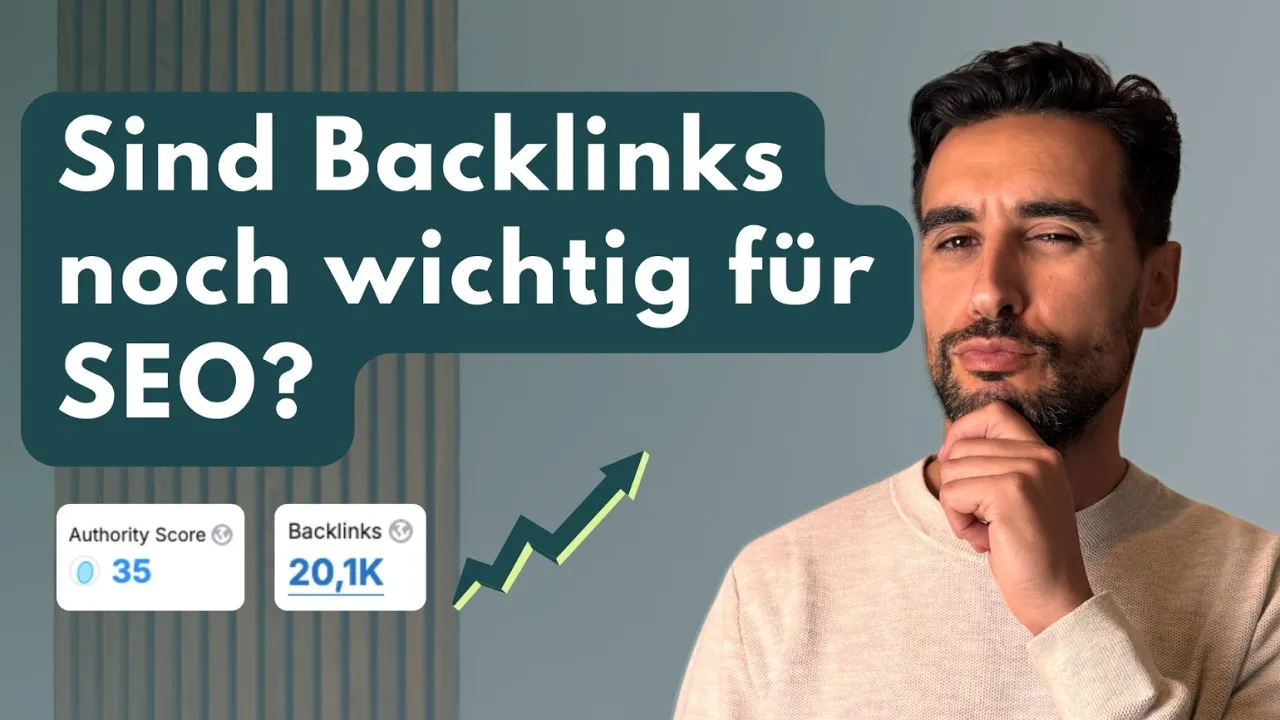 Video in German
Are backlinks still important for SEO? Yes, very much so. Even today, they are among the decisive ranking factors on Google and other search engines. But what makes backlinks so valuable, and how do you build good links?
Here you will learn why successful websites keep getting more successful, and how you can use this effect for yourself.
What are backlinks?
Backlinks are links from other websites that point to your site. Google sees these links as recommendations: the more high-quality backlinks you have, the better your site performs in the search results.
Imagine you run a café and lots of people talk about it, and the more, the better. The same applies to backlinks on the internet. But be careful: quality is crucial. Google notices when your “recommendations” are not genuine or are irrelevant.
Why are backlinks so important?
- Trust signal for search engines: Backlinks show search engines that other sites consider your content valuable. Sites with many high-quality backlinks find it easier to rank higher.
- Increased visibility and traffic: The higher you rank in the search results, the more visitors come to your site. That means more potential customers and higher sales.
- Relevance and authority: Not every link is worth the same. A backlink from a highly regarded and topically relevant site has a much stronger effect than a link from an unknown website.
The role of quality: Why “good” links matter more than many
Not all backlinks are equal. In the past, many websites relied on quantity, but today quality is what counts. Google recognises the difference between high-quality and low-quality links. If your site has links from spam websites, this could even hurt your ranking.
An example: For a dental practice, a link from a trustworthy health website is more valuable than ten links from general blog sites. In other words: topical relevance is crucial.
You can find more on this in our glossary: What are backlinks?
How do you build high-quality backlinks?
1. The relevance pyramid: The best link comes from a site within your subject area. Prioritise links like these to move your website forward in a targeted way.
2. The link prediction method: Look at which content works well for your competitors and gets lots of backlinks. Then create a better version of it. Tools such as Ahrefs or SEMrush help you analyse this content.
3. Create link-worthy content: Be creative and offer real added value. Guides, tools, calculators: content that is useful is more likely to get linked. ChatGPT or Claude can help you create content like this quickly.
On how to generate backlinks with the help of AI tools, also take a look at this article: AI tools for linkbait
What should you avoid?
Avoid bought links from questionable sources or platforms such as Fiverr. They may be cheap, but Google quickly recognises tricks like these and could penalise your site. Instead, build organic and natural links that create trust.
Tips for avoiding bad links:
- Check potential links beforehand with tools such as Ahrefs or SEMrush.
- Remove harmful links with Google’s disavow tool.
More on this topic: Off-page SEO and link building
The “rich get richer” effect: Why success brings more backlinks
A page that ranks well automatically gets more backlinks. Why? Because it is visible and credible. Other sites want to supplement or strengthen their content and link to the leading article. The more links like these you get, the higher your page ranks, and that brings even more links, a positive cycle.
A practical example: A well-placed blog about renewable energy could automatically receive links from environmental sites and news portals that use its article as a reference. This leads to even better rankings and more visibility.
For a detailed analysis of your SEO, including a backlink check, take a look at our SEO analysis.
Case studies and statistics
- 75% of SEO experts agree that backlinks are the most important ranking factor (Ahrefs, 2023).
- More than 66% of websites have no backlinks, which severely affects their SEO performance (Ahrefs, 2023).
- Pages in position 1 on Google have on average 3.8x more backlinks than pages in positions 2-10 (Backlinko).
- A study by Moz showed that topically relevant backlinks increase the likelihood of ranking in the top 10 by 33%.
Summary: Backlinks as an important SEO factor
Backlinks remain an essential part of every SEO strategy. Quality and relevance are crucial to scoring points with Google. Rely on well-thought-out link building strategies, and your website will get the visibility and traffic it deserves.
If you want to improve your backlink strategy, get in touch with us for a free SEO consultation: SEO consulting
Frequently asked questions (FAQs)
1. Are backlinks still important for SEO?
Yes, backlinks are still a central ranking factor. They help search engines understand that your website is trustworthy and relevant.
2. How do I get high-quality backlinks?
Create useful content, work with sites in your industry, use content tools and analyse your competitors.
3. Can I buy backlinks?
This is not advisable, as bought links are usually low quality and can harm your website. Rely on organic link building instead.
4. How do I check my backlinks?
Use tools such as Ahrefs or SEMrush to analyse your link profile and remove harmful links.